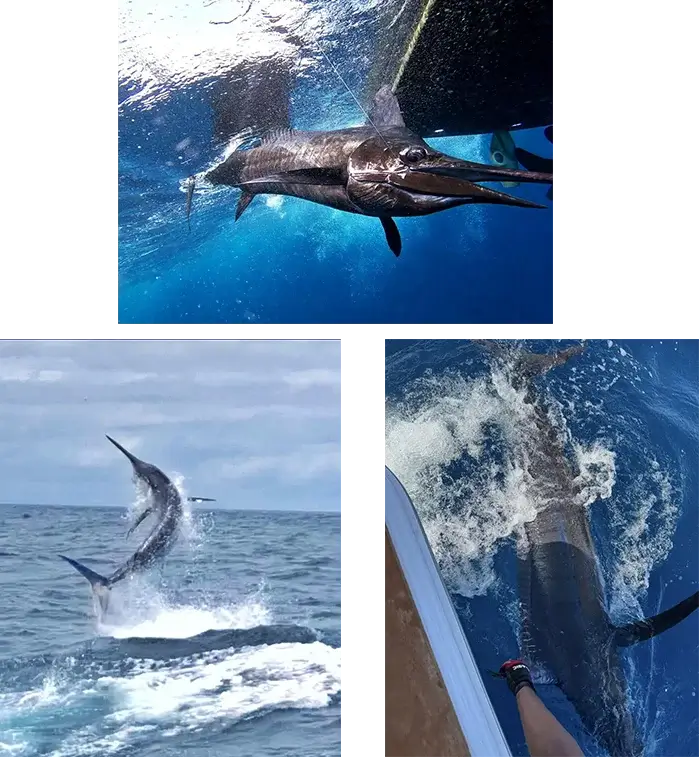

Caught every month, year around, the blue marlin is the most abundant specie, with more catches from mid-November to early March. We release fewer marlins from early April to early June when it rises again, peaking in August and September.

Check out the best time to catch every species for your next fishing in Guanacaste Costa Rica, especially in top locations like the Gulf of Papagayo, Flamingo, or Tamarindo.
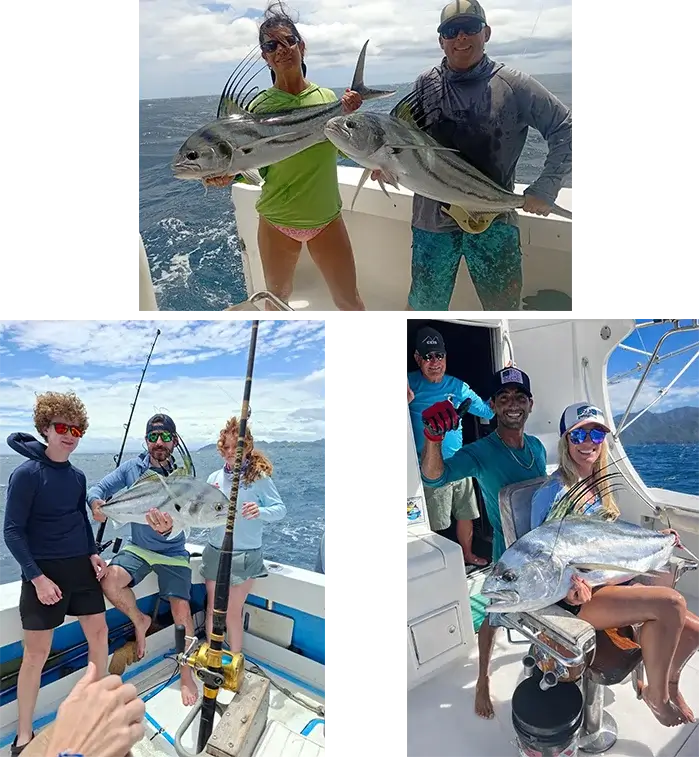
Remember to practice catch and release for all Billfish species and the no-migratory species such as the Rooster, Cubera, and Amberjack.
You are welcome to keep mahi-mahi, yellowfin tuna, or red snapper. Our crew will clean the fish, prepare the fillets, and properly bag them, so you can take your catch back to your hotel or to your favorite local restaurant, where they’ll be happy to cook it for you.
When is the best time for fishing in Guanacaste Costa Rica? The short answer is: there’s great fishing year-round, but the best time depends on what species you want to catch.
However, the first question I usually ask is what type of fishing you want to do: offshore or inshore? Are you looking to target mahi-mahi, sailfish, tuna, or roosterfish? While you can expect good fishing in Costa Rica year-round, the peak season really depends on the area you’ll be fishing and the species you want to target.
Below are the most popular sportfishing species targeted in Guanacaste, Costa Rica. While snook and tarpon are not common in this region, Guanacaste is well known for its impressive roosterfish, averaging 40–50 pounds, as well as excellent-sized sailfish, making it a top destination for both inshore and offshore anglers.


Fishing Tours
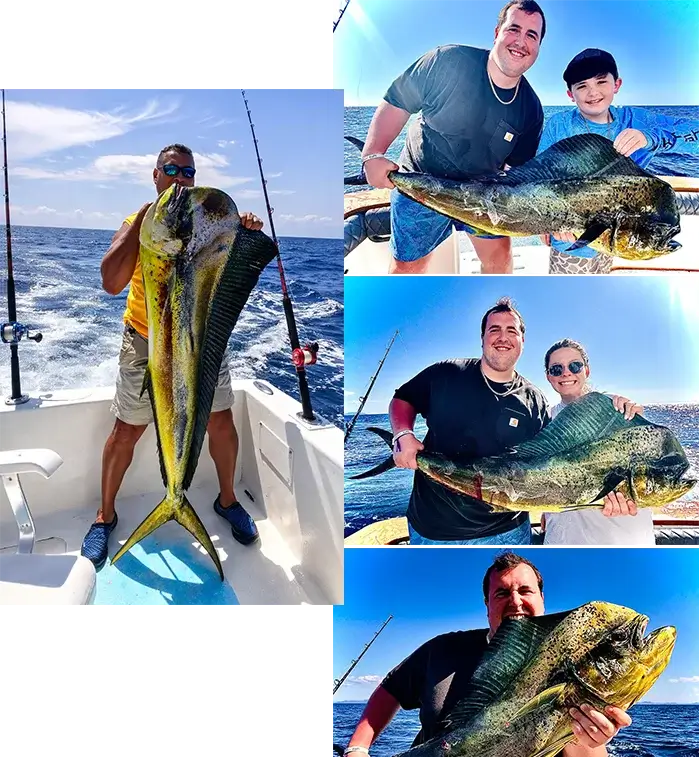
This beautiful, colorful, hard-fighting, and delicious fish is most abundant from late March through early November. During the rainy season, rivers swell and carry natural debris offshore, creating floating trash lines close to shore where dorado like to congregate. Troll past a floating log, and there’s a very good chance you’ll hook up with a dorado.
Peak Season: Mar -Nov
Best in Rainy Season
Trolling Floating Lines
Nearshore Dorado Hotspots

Roosterfish are non-migratory and abundant in the area, and success depends more on live bait availability, water temperature, and water clarity—with cloudy water often producing the best results—rather than on the time of year.
Non-Migratory Species
Live Bait Dependent
Cloudy Water Advantage
Temperature & Clarity Matter


Fishing Tours


Fishing Tours
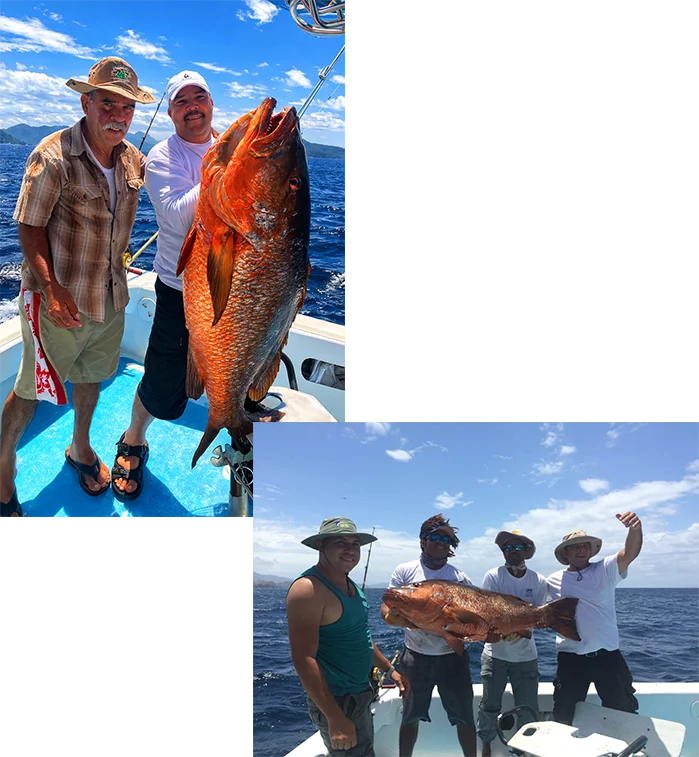
There are many different species of snappers along the Pacific coast. The Snapper bite is good all year round; however, more are caught in the rainy season, between May and early November. Cubera Snappers in the 50 to 80 pound range are not uncommon.
Feeding habits: These are opportunistic bottom feeders that consume a variety of shrimp, crabs, and small fish.
Year-Round Snapper Bite
Rainy Season Peak (May–Nov)
50–80 lb Trophy Range
Aggressive Bottom Feeders

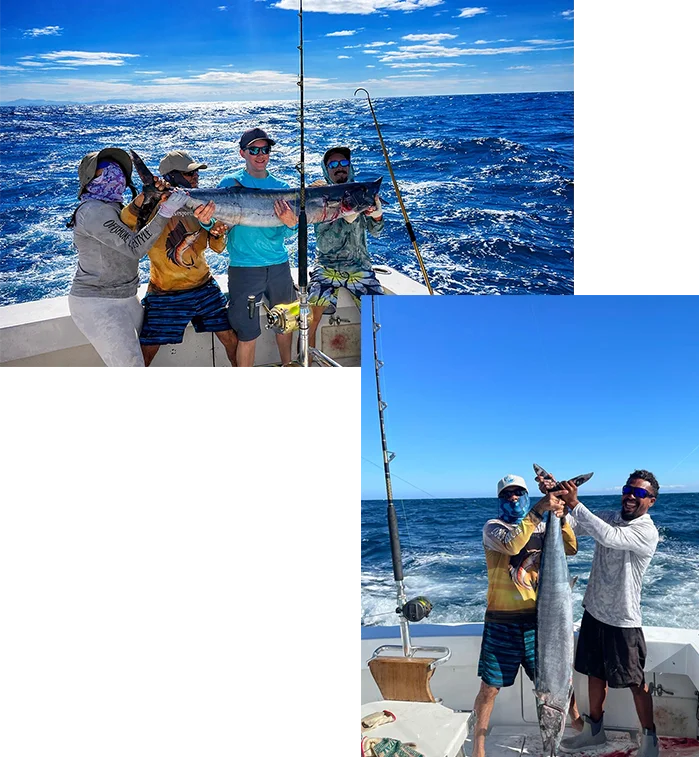
The Wahoo fishing season in Guanacaste is between early December and April. This fish is often found around the rocky points and islands, here in the Catalina and Bat islands, but in season, you will pick one up fishing offshore or deep sea in the Gulf of Papagayo.
Peak Season: Dec–April
Catalina & Bat Islands
Rocky Points & Reefs
Offshore & Deep Sea Action


Fishing Tours


Fishing Tours
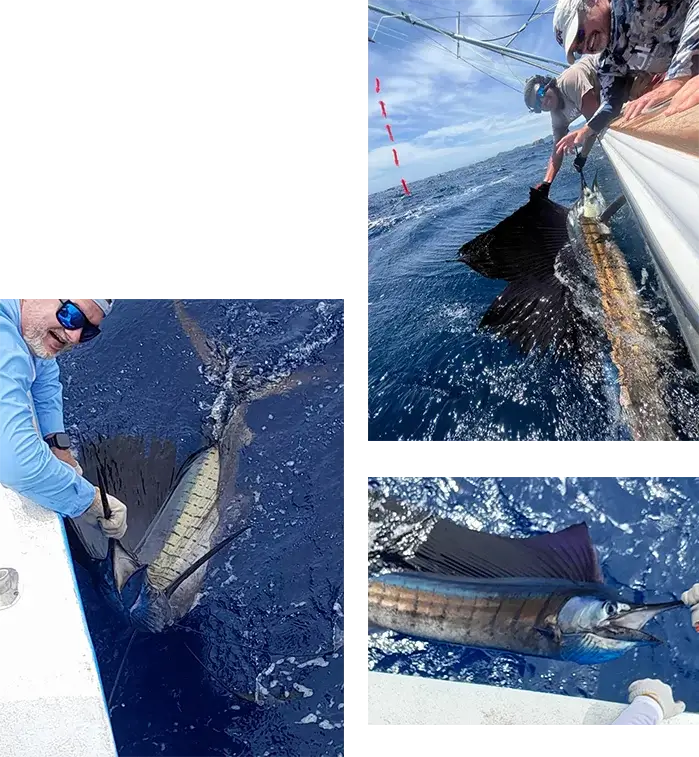
This specie is present round the year, with May through late August usually the top season. Many sails are caught between late January and early April, and the slowest months are from late October through November.
Available Year-Round
Peak Season: May–August
Strong Run: Jan–April
Slower Months: Oct–Nov

Caught every month, year around, the blue marlin is the most abundant specie, with more catches from mid-November to early March. We release fewer marlins from early April to early June when it rises again, peaking in August and September.
Year-Round Marlin Fishing
Peak Run: Nov–March
Second Peak: Aug–Sept
Blue Marlin Dominance


Fishing Tours


Fishing Tours
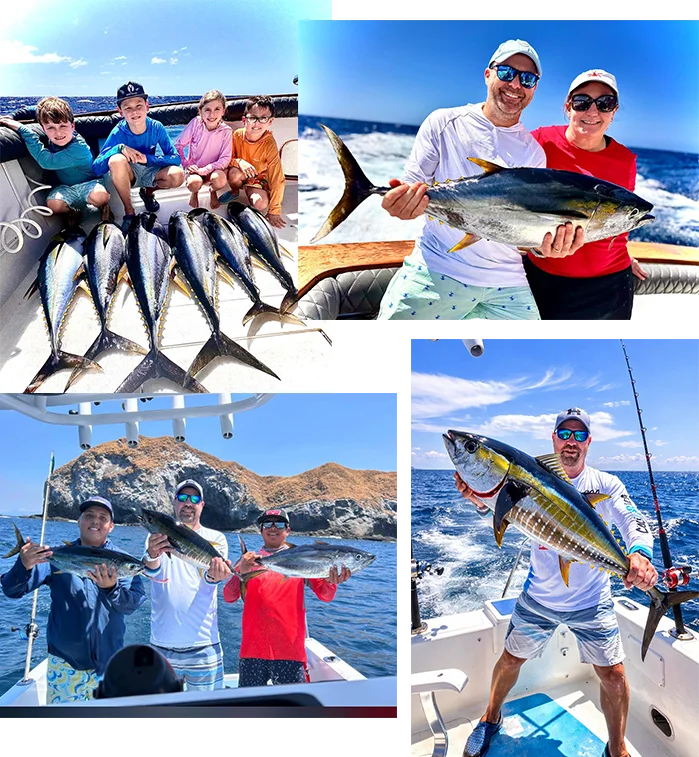
Peak months are likely from the start of May to September. You can expect to catch a tuna when everything else fails, at any time of the year captains pray for the small tuna as they are used as live bait for billfish, rooster or bottom fishing. The Yellowfin and some Bigeye tuna are often found well inside the Catalina Islands, in the Gulf of Papagayo, 30 minutes or less running time from the beach.
Peak Season: May–Sept
Available Year-Round
Catalina Islands & Papagayo
Prime Live Bait Source